Louisiana serves up flavors, history and traditions unlike anywhere else. See iconic New Orleans architecture, taste Cajun food in Lafayette and dig into a crawfish boil in Lake Charles while taking in the scenery and welcoming hospitality.
Louisiana is a simmering gumbo of cultures with a flavor all its own. French, Spanish, West African, Caribbean, Native American and American influences have mingled here for centuries, shaped by winding waterways and a humid climate that demanded invention. The result is a distinct place, where the buildings, the food and the way people gather all tell a story of community. In New Orleans, centuries of architecture form a map of the city’s history. In Lafayette, Cajun cooks turned resourcefulness into gumbo, boudin and communal crab boils. And in Lake Charles, the Gulf and the rice fields yield a bounty of seafood, served up in traditions shaped by hardworking farmers and fishers. Come hungry and come curious, because there’s nowhere else on earth that tastes, sounds or looks quite like Louisiana.
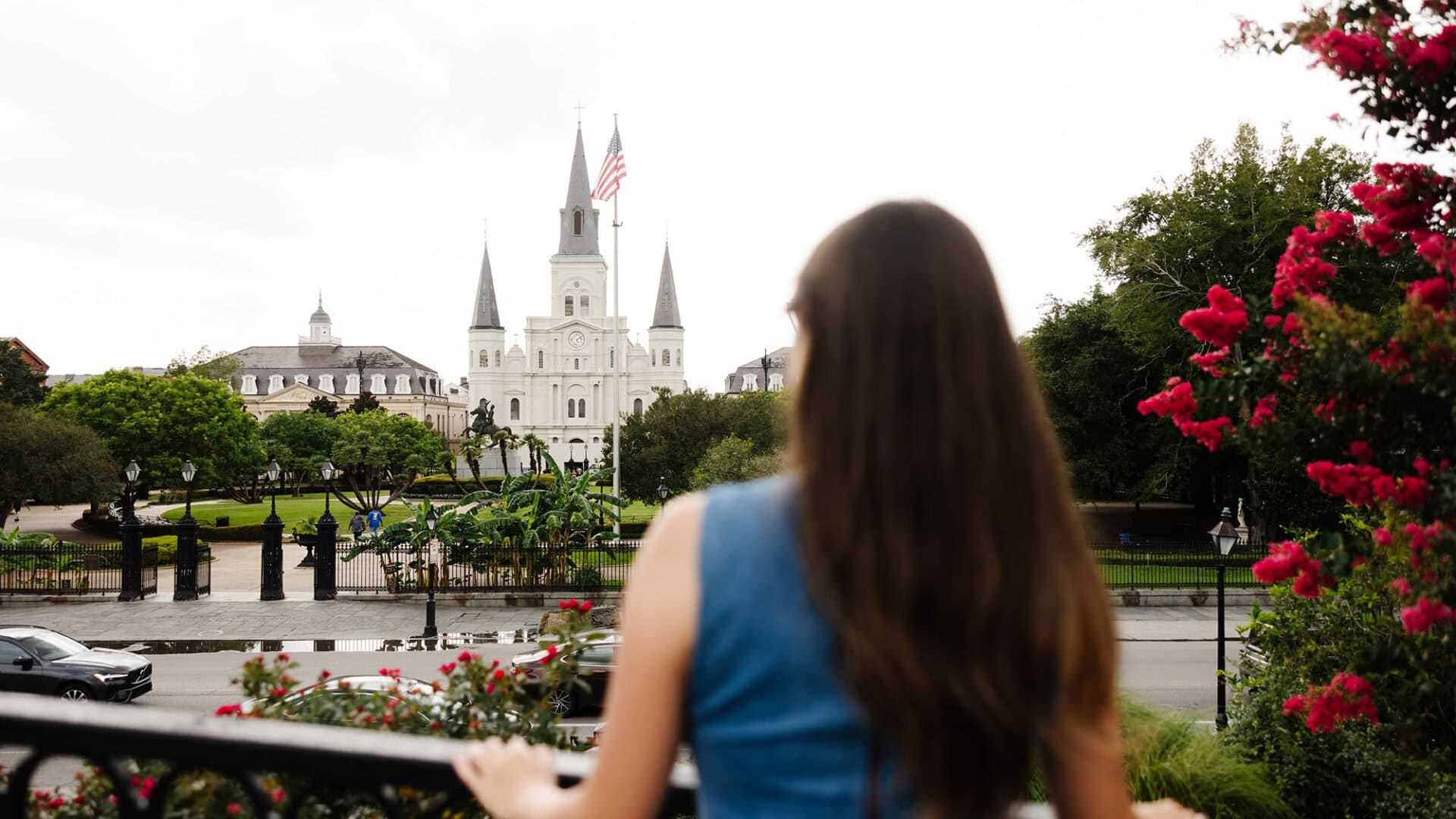
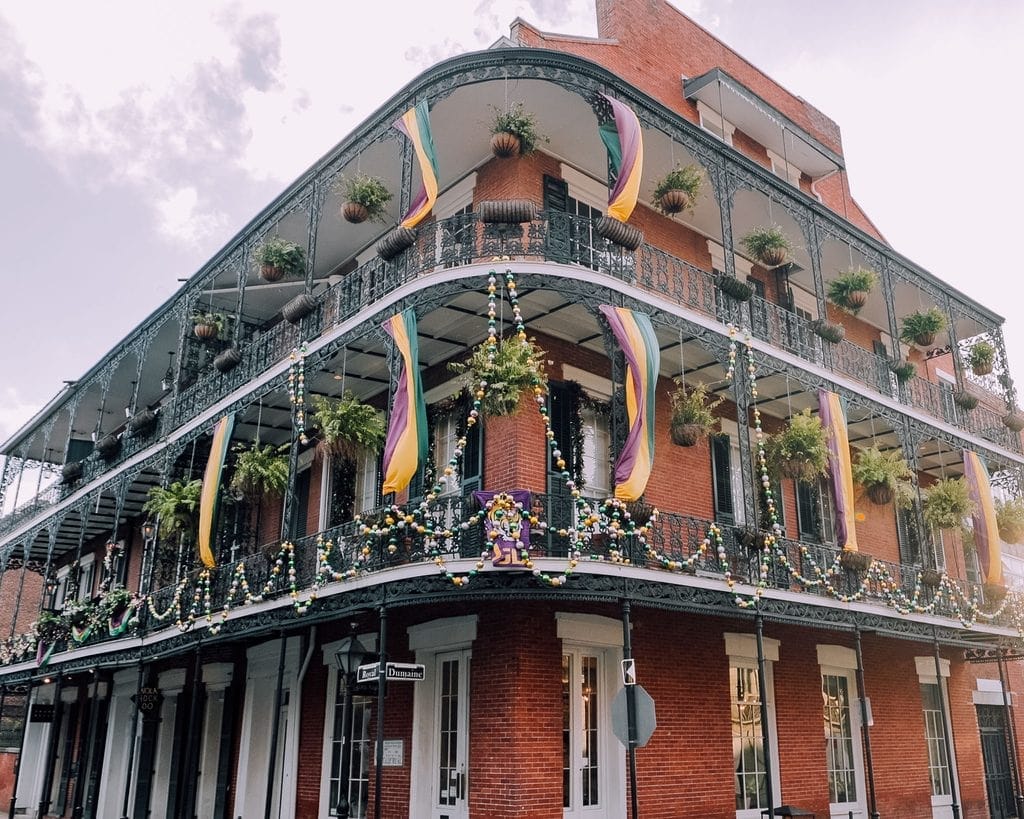
New Orleans architecture is a collage of pastel facades, lace-like iron balconies and flickering gas lanterns shaped by French, Spanish, West African, Caribbean and American design. Walk or ride the historic streetcar to take in the city’s distinct architecture. Start with a stroll through the French Quarter to admire wrought-iron balconies, hidden courtyards and arched carriageways that represent the city’s Spanish history. Visit the Old Ursuline Convent Museum, the oldest building in the Mississippi River Valley and one of the city’s few remaining original French buildings. Keep an eye out for historic Creole cottages and shotgun houses – narrow, one room wide and raised on brick piers, with doors aligned so a breeze can pass straight through. Both reflect West African and Caribbean influences and were built for the humid climate. Head to Jackson Square, modeled after a Spanish plaza, to visit St. Louis Cathedral, an active basilica, along with the Presbytère and the Cabildo, both part of the Louisiana State Museum. Finish with a sweet treat: powdered sugar-covered beignets across the street at Café Du Monde.
After you’ve seen the sights of the French Quarter, head Uptown, where the Garden District’s grand Greek Revival mansions rise behind tall classical columns. Even the cemeteries are one-of-a-kind, with above-ground tombs rooted in European Gothic design and adapted for the high water table. Take the St. Charles Streetcar through the oak-lined streets, past stately mansions and Lafayette Cemetery No. 1, or ride the Canal/City Park Line from the edge of the French Quarter through the Central Business District and into the green expanse of City Park.
Drive 217 kilometers (about 2.5 hours west of New Orleans) into the heart of Acadiana, home of the Cajuns. After being exiled from Canada, they settled in and around Lafayette, among the bayous west of the Atchafalaya Basin, and adapted to the resources of this unfamiliar landscape: Spanish moss became bedding, cedar trees became furniture, and the waterways and Gulf became the pantry. Resourcefulness influenced their food too, with French cooking techniques, crop knowledge from enslaved West Africans and Native American hunting and trapping skills coming together to create Cajun cuisine. Want to taste your way through Cajun Country and hear firsthand stories from the locals? Check out Cajun Food Tours for a guided food experience.
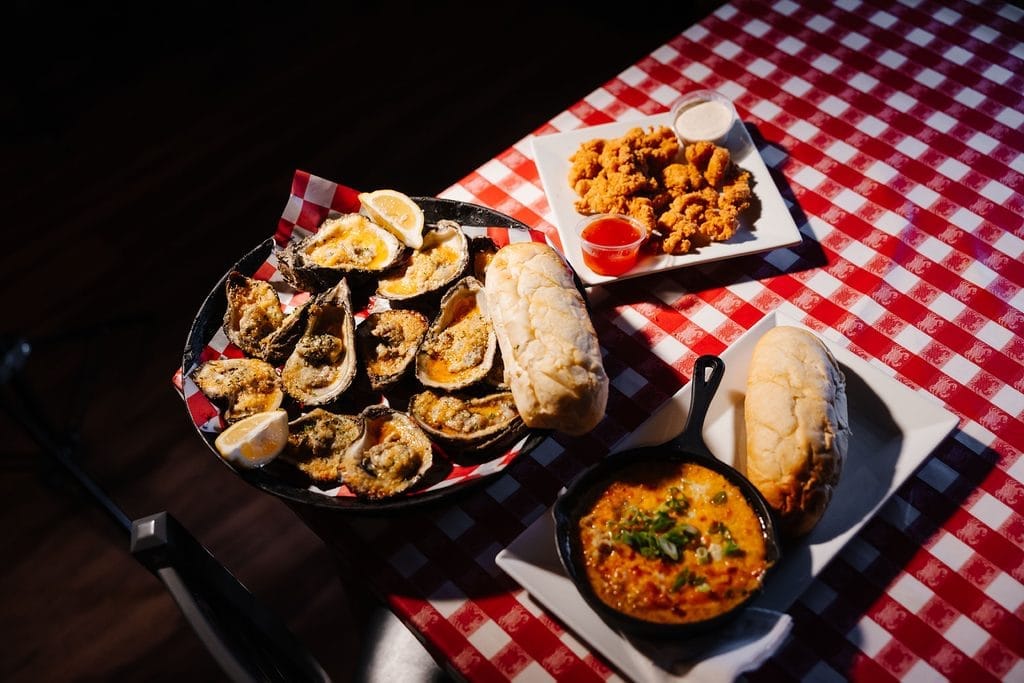
If you’d rather take a self-guided tasting tour, start at Prejean’s in Carencro with a traditional bowl of gumbo, a thick, stew-like dish that combines French cuisine and West African ingredients. The name comes from the West African Bambara word “gombo,” meaning okra. It starts with a roux, equal parts flour and fat browned low and slow, and sautéed aromatics of bell pepper, celery and onion, known as the “holy trinity.” Typically, gumbo is made with chicken and sausage or seafood and served over a hearty scoop of rice. Insider tip: order a side of potato salad and put it directly into your gumbo like the locals. Next, visit The Best Stop, a casual roadside spot near Scott known for crispy pork cracklins and boudin, a savory blend of rice, spices and pork stuffed into a sausage-like casing. Finish at Naq’s N Duson with a crab boil to experience a communal Cajun dining tradition. Unlike seasonal crawfish, crabs are available year-round, boiled in a big pot and seasoned with a healthy dose of cayenne and other spices. Served with the chef’s choice of extras like potatoes, mushrooms, corn on the cob, sausage and onions, everything is poured directly onto the table and everyone feasts side by side.
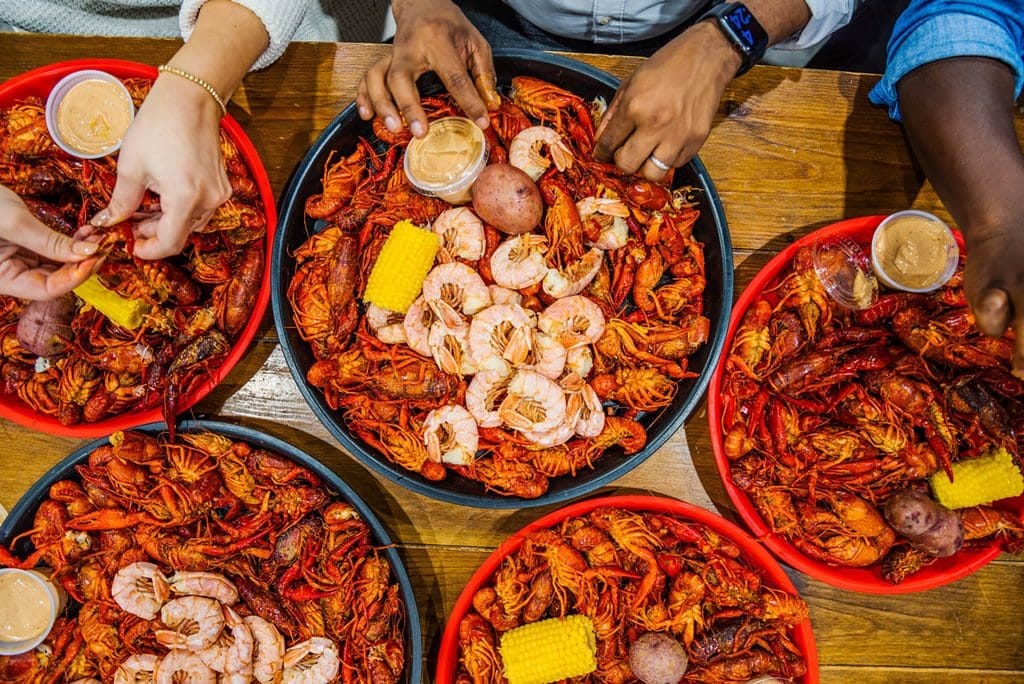
Seafood is the lifeblood of southwest Louisiana’s flavors: Think crawfish boils, fried catfish, shrimp po’boys and seafood gumbo. Lake Charles and the surrounding region play a critical and historic role in the state’s commercial seafood and aquaculture industries, from wild-caught Gulf shrimp and oysters to locally farmed crawfish. Farmers rotate rice and crawfish seasonally in the same plots to maximize income; the flooded rice fields double as an ideal crawfish habitat and the same equipment can be used. If you’re visiting in spring, you have to try boiled crawfish. Eating crawfish is as much of a meal as it is an experience and locals are always eager and willing to show first-timers how to peel and eat. Visit local favorites like Beauxdine’s or Seafood Palace to try them served by the pound and seasoned to your liking. To see where they come from, book a spring crawfish farm tour in nearby Jeff Davis Parish, where you’ll stand pond-side with a local farmer, stop at the I-10 Crawfish Co-op and finish at Gator Chateau holding a baby gator.
The abundance of lakes and bayous provides the perfect setting for fishing and crabbing, favorite local pastimes that visitors can enjoy too. Hire a guide for a charter and chase the “Cajun Grand Slam,” catching a redfish, speckled trout and flounder in a single outing. In the summer months, grab a dip net, string and bait and go crabbing at spots along the Creole Nature Trail like Blue Crab Recreation Area and Price Lake Road. Both activities require a license so check the Louisiana Department of Wildlife and Fisheries regulations beforehand.
After your excursions, a filling meal is a necessity. Enter the plate lunch: hot, hearty, down-home meals consisting of a protein, a bread roll and two or more sides. Restaurants usually rotate a daily special plate lunch offering: Head to Leonard’s Food Quarter on Monday for fried pork chops with red beans and rice, The Kitchen on Wednesday for fried chicken and cornbread dressing, and t’Pot Noir on Friday for the Cajun seafood plates like shrimp etouffee or shrimp sauce piquante.
MORE TRIP IDEAS

American Originals
Arts & Culture
Indigenous Heritage
6 Iconic U.S. Landmarks Featured on the Silver Screen
Whether you’re a cinephile or a casual viewer, these legendary filming locations in the USA bring moments from the silver screen to life.
Read Article
History & Heritage
Outdoors
Road Trips
Route 66
Iconic Sights And Hidden Gems On And Off Route 66 In Arizona
Route 66 stretches through Arizona, offering travelers an unforgettable journey through history, stunning landscapes and classic Americana.
Read Article
American Originals
Arts & Culture
History & Heritage
U.S. Cities That Shaped the Music of the World
Explore the U.S. cities where world-changing sounds were born, and walk in the footsteps of the legends who helped shape the soundtrack of our lives.
Read Article
Arts & Culture
Family
History & Heritage
Exciting Historical and Cultural Experiences for Families Across the USA
Learn about the past while making lasting memories that go far beyond sightseeing.
Read Article
History & Heritage
Road Trips
Route 66
Deep Histories And Desert Communities: Route 66 In California
Set off on an epic California road trip packed with scenic views and historic stops.
Read Article
Arts & Culture
Outdoors
Road Trips
Skyline to Summit: Map the Ultimate Colorado Adventure
Iconic byways, natural treasures and storied mountain enclaves drive Colorado discoveries.
Read Article